

PET/CT (Positron Emission Tomography / Computed Tomography)
What is a PET/CT scan?
Positron emission tomography (PET) is used for cancer, cardiac, and brain disorders. Computed Tomography (CT) provides precise anatomical detail analysis of your body and organs. Combined, they identify specific abnormal cellular results, disorders, cancers, and other complex conditions.
Available at these locations:
- Kings Ridge


Cancers can be detected earlier than other modalities, assess treatment response, and identify recurrence with great accuracy. These scans are typically performed from the head to the bottom of the torso (skull to thigh), on the whole body when medically indicated, or just the head, for specific brain related issues using a PET scan machine.
Different colors or degrees of brightness on a PET image represent different levels of tissue or organ function. For example, cancer cells absorb more of the radioactive substance than healthy cells. So, if a tumor doesn't absorb more radioactivity than surrounding cells, it's a sign that it may not be cancerous or that chemotherapy has worked to remove the cancer.
If your healthcare provider suspects you may have cancer, they’ll likely recommend a PET scan, which can detect cancer and/or make a diagnosis. If you’ve already been diagnosed with cancer, your provider may recommend more than one PET scan throughout your treatment to determine:
- Whether the cancer has spread in your body (metastasized).
- Effectiveness of treatment.
- If the cancer has returned after treatment.
- Prognosis (outlook) of the cancer.

Brain PET Imaging
PET scans of the brain are used as part of PET diagnostic imaging to evaluate patients who have memory disorders of an undetermined cause, suspected or proven brain tumors, or seizure disorders that are not responsive to medical therapy and may be helped by surgery.
Beta Amyloid PET Imaging
Advanced imaging to assist in confirming or ruling out amyloid plaque to differentiate Alzheimer’s disease from other causes of cognitive decline. Also utilized as a guide in treatment decisions and care planning. This imaging calculates the amount of Beta-amyloid plaque (abnormal, clusters of protein that accumulate in the spaces between nerve cells) in the brain. The accumulation of these plaques is a central factor in the development of Alzheimer's disease (AD). The amount of build-up in your brain is calculated via a centiloid report which measures the depth and area of buildup in your brain.
Who may benefit from Beta Amyloid PET?
This exam may be appropriate for patients who:
- Have unexplained memory loss or cognitive decline
- Are undergoing evaluations for Alzheimer’s disease
- Require clarification after inconclusive MRI or CT findings
- Are being considered for Alzheimer’s-related therapies
Referrals are typically made by neurologists, geriatricians, or cognitive specialists.

What to Expect During the Exam
- Injection of a specialized radiotracer
- 60-minute uptake period
- Non-invasive and painless
PSMA PET Imaging for Prostate Cancer
PSMA PET imaging targets Prostate-Specific Membrane Antigen (PSMA), a protein commonly expressed on prostate cancer cells. This allows for highly sensitive and precise detection of prostate cancer — even at very low PSA levels. PSMA PET is appropriate for early-stage prostate cancer because it identifies where PSMA cells are expressed within the body.
When PSMA PET is Used
PSMA PET imaging is commonly ordered for:
- Initial staging of prostate cancer
- Detecting recurrence after treatment
- Evaluating rising PSA levels
- Guiding radiation or systemic therapy planning
This exam provides more accurate localization than conventional bone scans or PET/CT alone.
Benefits of PSMA PET Imaging
- Initial staging of prostate cancer
- Detecting recurrence after treatment
- Evaluating rising PSA levels
- Guiding radiation or systemic therapy planning

What to Expect During the Exam
- Injection of a PSMA-targeted radiotracer
- 60-minute uptake period
- Imaging time typically 35 minutes
- There is no preparation for this procedure. You may take your medications and eat as normal prior to the exam.
What to Expect During the Exam
After your study is complete, our board-certified radiologists will evaluate the images from your PET scan and send a complete report directly to your doctor. Your physician will discuss the results with you. Typical results provided directly to the referring within 3-5 business days.
FAQs - PET/CT
Clermont News
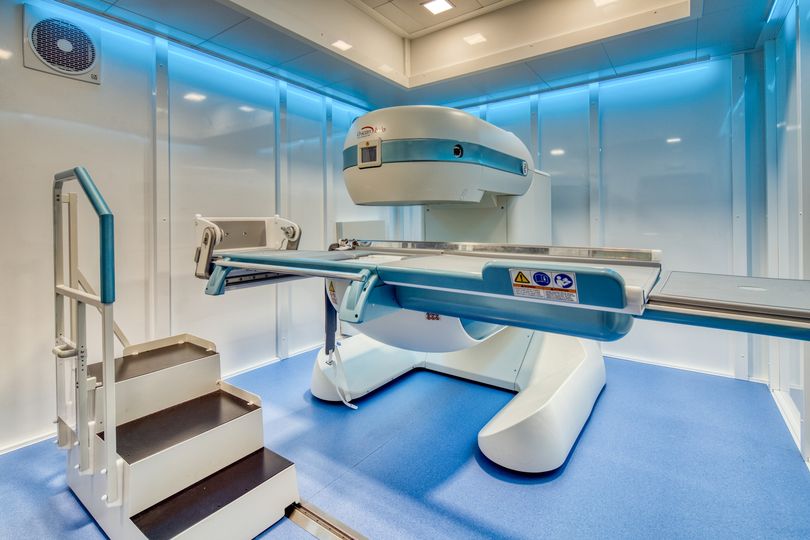
Our Esaote G-Scan Brio MRI located in our Ocala office!
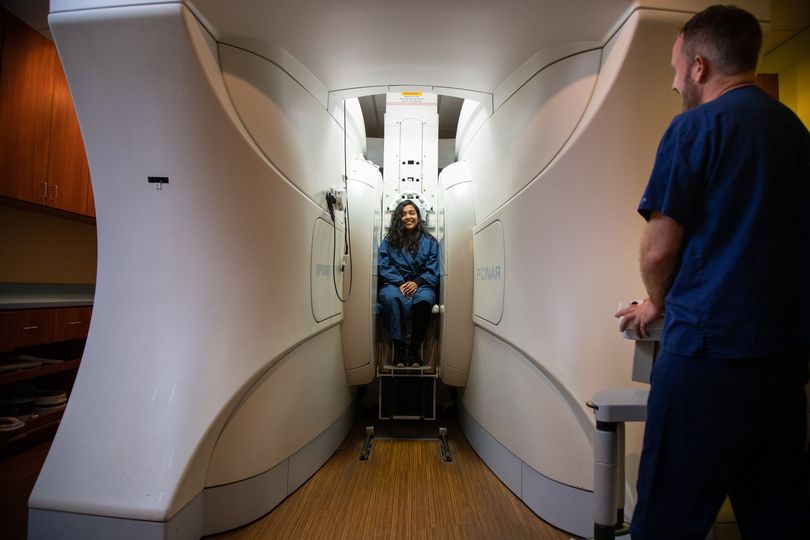
Oakley Seaver Open MRI

The 3 “Must Haves” in Women’s Imaging
Make an Appointment
Filling out the form does not guarantee an appointment until confirmed via phone or email by a patient care representative.
In a continued effort to improve patient care, we will now require all orders on file prior to scheduling for the following exams:
- MRI
- CT
- PET
- Nuclear Medicine
Clinical notes are needed prior to requesting authorization. Any delay in receiving the necessary notes may result in the rescheduling of appointments.
